NIMCA, ‘a movement of Africa’, begins its transformative Arusha summit
Bryan Toshi Bwana
On 23 May 2024, in the scenic coastal city of Cape Town, South Africa, a defining chapter in Africa’s media history silently unfolded. What began as an inaugural Africa Media Councils conference evolved into something transformative and impactful: the establishment of the Network of Independent Media Councils of Africa (NIMCA).
NIMCA is not a mere network of journalists and broadcasters on the continent. It is Africa’s unified response to the demand for credible, independent and ethical journalism. It is an ambitious platform intentionally designed to safeguard media and journalists freedoms, enforce ethical standards and reinforce democratic values across the African continent.
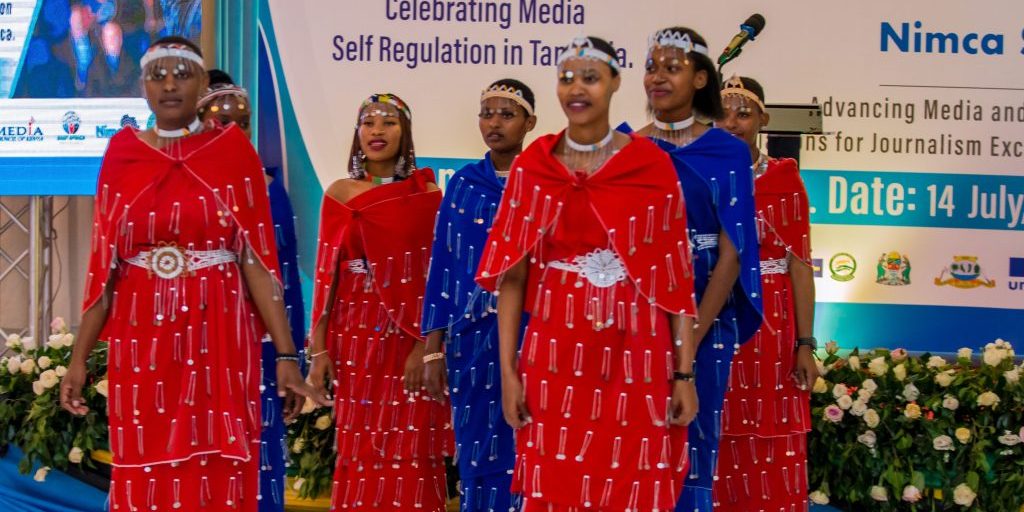
Now, just one year later, that journey has advanced to its next historic moment: the Pan-African Media Councils’ Summit, to be hosted from 14 to 17 July in Arusha, Tanzania, at the world-renowned Arusha International Conference Centre (AICC).
The original Cape Town conference was a historical gathering point for Africa’s media council leaders, Ombudsmen, civil society actors, the private sector and development partners. Here, after rigorous deliberations, Africa’s independent media regulators committed to forging a continental body to unify and strengthen their efforts.
In a powerful display of trust and continental solidarity, Ernest Sungura, the Executive Director of the Media Council of Tanzania (MCT), was elected as the inaugural Chairperson of NIMCA’s Governing Council. With over three decades in media governance and press freedom advocacy, Sungura became the face of this transformative movement.
Crafting the vision
One of his very first assignments was coming up with a mobilisation and sustainability strategy to take NIMCA wider. He started by establishing an all-embracing Technical Team to guide key operations of the network, one of the team’s main roles being to ensure a successful and structured transition.
The inaugural NIMCA board successfully endorsed the team on 18 September 2024 at the UNESCO Commission of Tanzania offices in Dar es Salaam. The team comprises accomplished media and development experts, experienced journalists, institutional strategists, a citizen scientist and seasoned capacity building experts.
Under Sungura’s stewardship, the team has provided policy direction, institutional architecture and technical guidance, spearheading NIMCA’s evolution from concept to operational entity.
Most notably, the technical team oversaw the rebranding of the Africa Media Councils annual gathering into the Pan-African Media Councils Summit, established operational policies and standards, and designed a five year strategy (2025/2030) and a NIMCA Sustainability Road Map.
NIMCA’s core objectives are:
- strengthening independent media regulation
- promoting self-regulation and ethical accountability across national borders
- enhancing press freedom and responsibility
- defending the media’s right to operate freely, while fostering responsible journalism
- building pan-African collaboration
- creating mechanisms for peer learning, joint initiatives and cross-country solidarity,
- combating misinformation and digital threats, and
- developing strategies to address online harms, hate speech and misinformation
- capacity building, and
- supporting African media councils with technical training, data tools and evidence-based research
Leadership and structure
NIMCA is governed by a distinguished board reflecting regional diversity, with members from Tanzania, South Africa, Ghana, Zambia and Kenya. The NIMCA leadership also includes the technical team. Its membership spans national media councils, Ombudsmen and other independent media accountability mechanisms.
NIMCA’s growth has been made possible through support from influential partners including the African Union, the African Union Commission, the East African Community (EAC), the Southern African Development Community (SADC), UNESCO, the Ford Foundation, the Open Society Foundations, the Konrad-Adenauer-Stiftung (KAS), Internews, the East African Legislative Assembly (EALA), the Southern African Editors’ Forum (SAEF) and Glow Consulting Services.
These institutions have not only funded NIMCA’s foundational work but continue to provide technical and strategic support for its continental programmes.
From the heights of Table Mountain to the diplomatic heart of Arusha, NIMCA’s journey is symbolic of Africa’s rise – bold, unified and forward-looking. NIMCA is a movement of Africa that recognises that the strength of democracy lies not only in free expression, but in ethical, responsible and accountable journalism.
As Africa navigates complex social, political and digital challenges, NIMCA stands as a continental lighthouse.
- This article was first published here