Dr Magopeni Calls for Information Integrity as a Critical Safeguard for Human Rights and Against Xenophobia
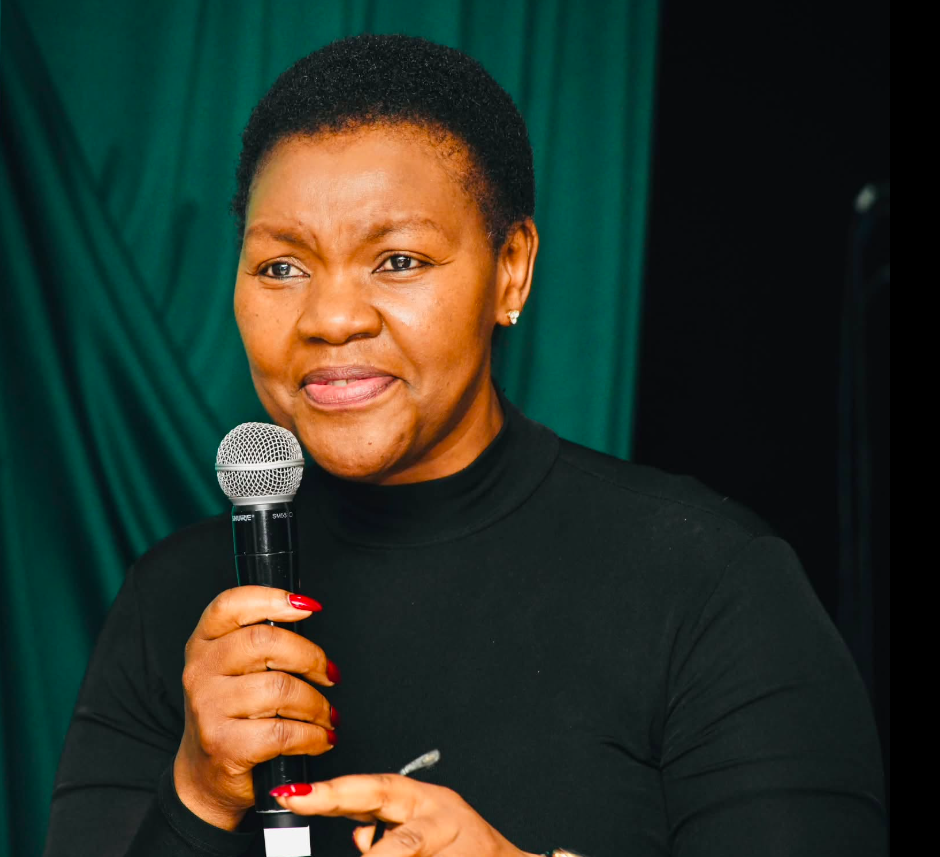
At the commemoration of the International Day of Universal Access to Information 2026, Dr Phathiswa Magopeni, Chair of the Social Media4Peace Coalition South Africa and Executive Director of the Press Council of South Africa, delivered a powerful call for information integrity as a cornerstone of human rights protection. Reflecting on the misinformation surrounding the widely publicised 30 September ultimatum directed at foreign nationals, she emphasised that South Africa’s laws will remain unchanged on that date. What is at stake, she argued, is whether the country’s information ecosystem amplifies harmful rhetoric and distortion or promotes credible, verified information through responsible media and digital platforms.
Dr Magopeni reminded delegates that arbitrary deadlines announced by protest groups have no legal standing. Despite this, misinformation linked to the 30 September ultimatum has created fear, displaced families and contributed to violence. She cautioned that whenever newsrooms, independent content creators or digital platforms repeat the notion of a “30 September deadline” without proper context, they inadvertently confer legitimacy on a threat that has no legal basis. No protest movement, she stressed, has the authority to establish deportation deadlines or dictate immigration policy.
Underscoring the human impact of misinformation, Dr Magopeni noted that access to accurate and reliable information is more than a democratic principle. It is essential to the safety and wellbeing of vulnerable communities. For migrants and foreign nationals, misinformation can place lives at risk and undermine constitutional rights, including the right to life and the right to security of the person. The consequences of getting the facts wrong, she warned, are measured in real harm experienced by real people.
She further called on the media and broader information ecosystem to move beyond merely reporting statements and claims. Instead, journalists, editors, content creators and platform operators must verify information, provide context and actively challenge dehumanising narratives. Responsible journalism, she argued, plays a critical role in countering xenophobia, protecting human dignity and strengthening social cohesion.
The keynote address also highlighted a significant pan-African commitment adopted during the Annual General Meeting of the Network of Independent Media Councils in Africa (NIMCA), held in Johannesburg. Delegates resolved to develop a continental Ethical Framework for Reporting on Migration, built on four key pillars: eliminating xenophobic and dehumanising language; adopting human-centred editorial approaches; establishing cross-border monitoring and oversight mechanisms; and creating unified continental guidelines for reporting on migration and human mobility.
Concluding her address, Dr Magopeni urged stakeholders across the media, civil society and governance sectors to act collectively in defence of information integrity. She emphasised that protecting the integrity of information means safeguarding human dignity, strengthening democratic values and ensuring that no individual is unfairly judged or targeted because of their country of origin. With the evidence and insights shared during the event, she said, there is both an opportunity and a responsibility to take meaningful action.